ANAGAMA
穴窯
The Anagama
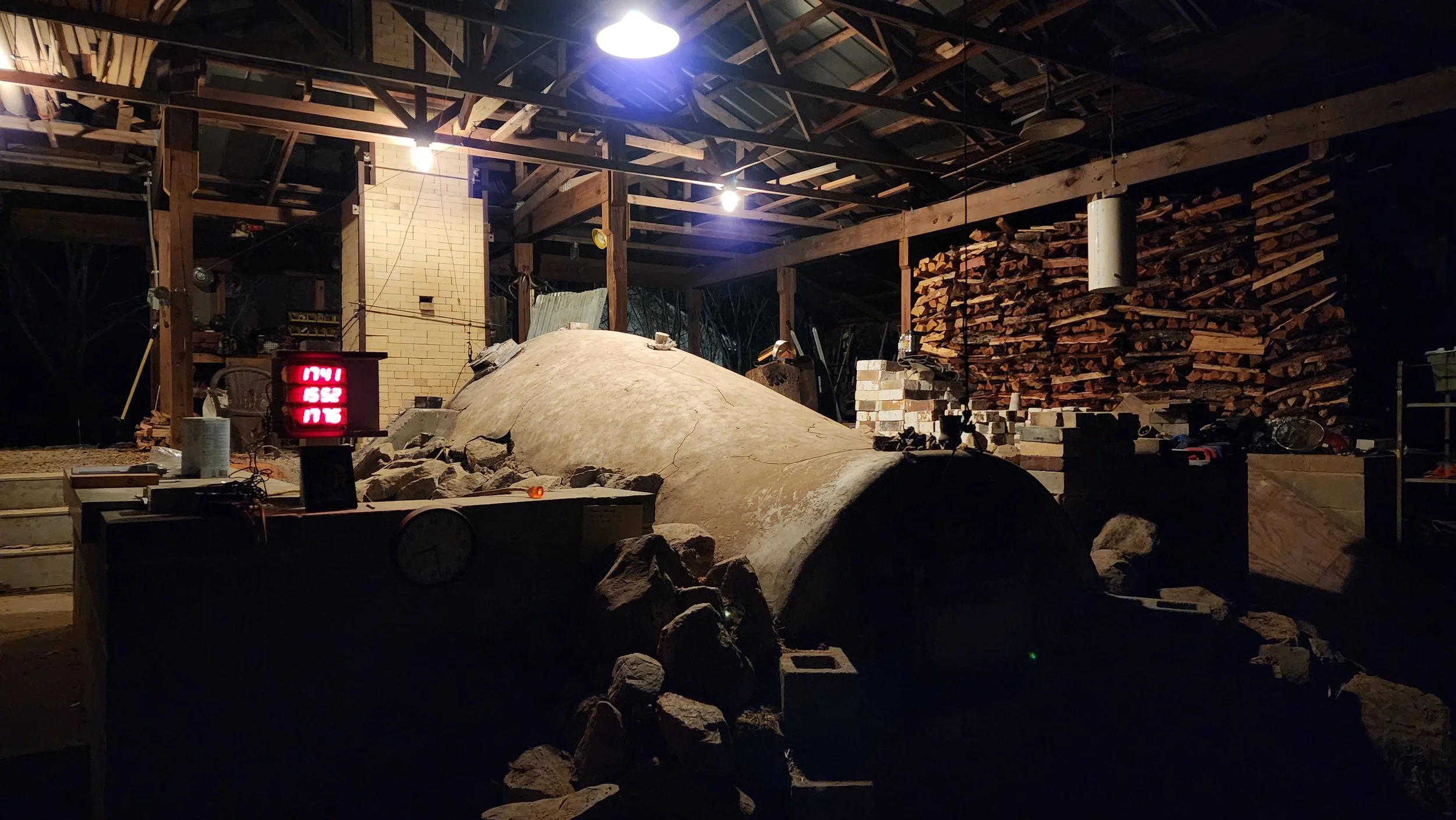
The anagama is one of the oldest kiln forms in Japan, introduced by Korean potters around the fifth century. Its name translates simply as "cave kiln," a fitting description for a structure that, in its earliest form, was sometimes literally dug into a hillside.
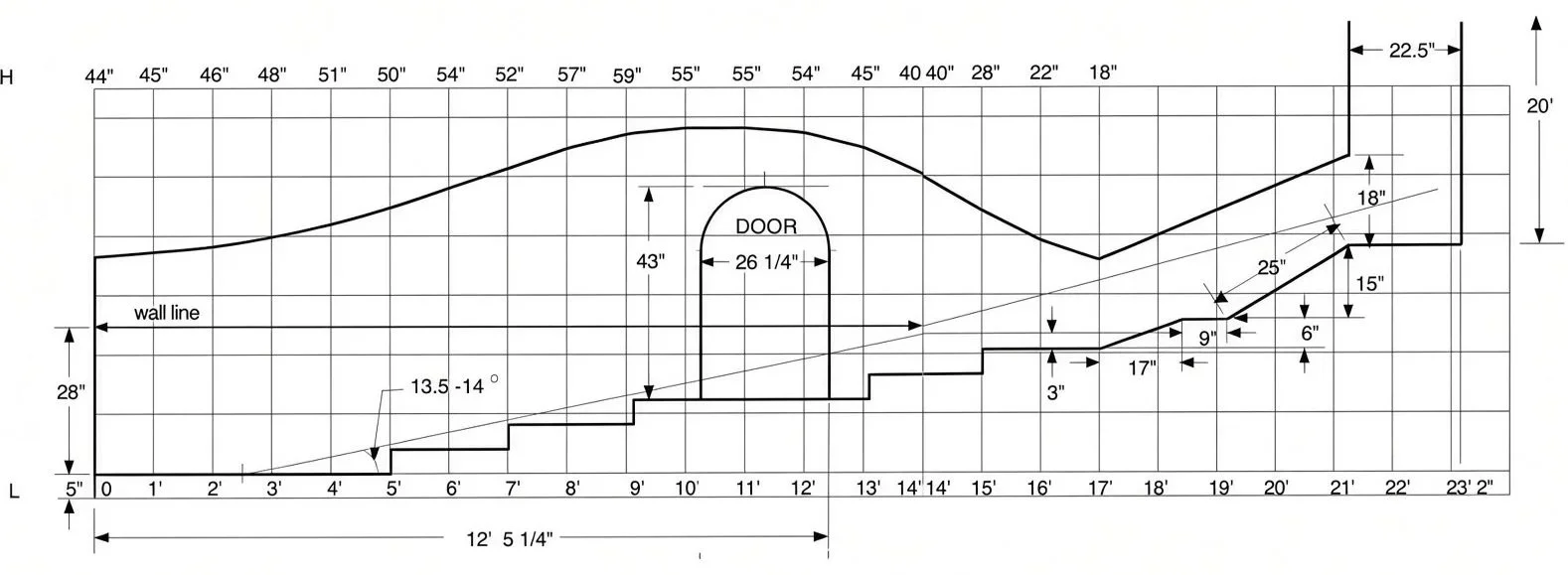
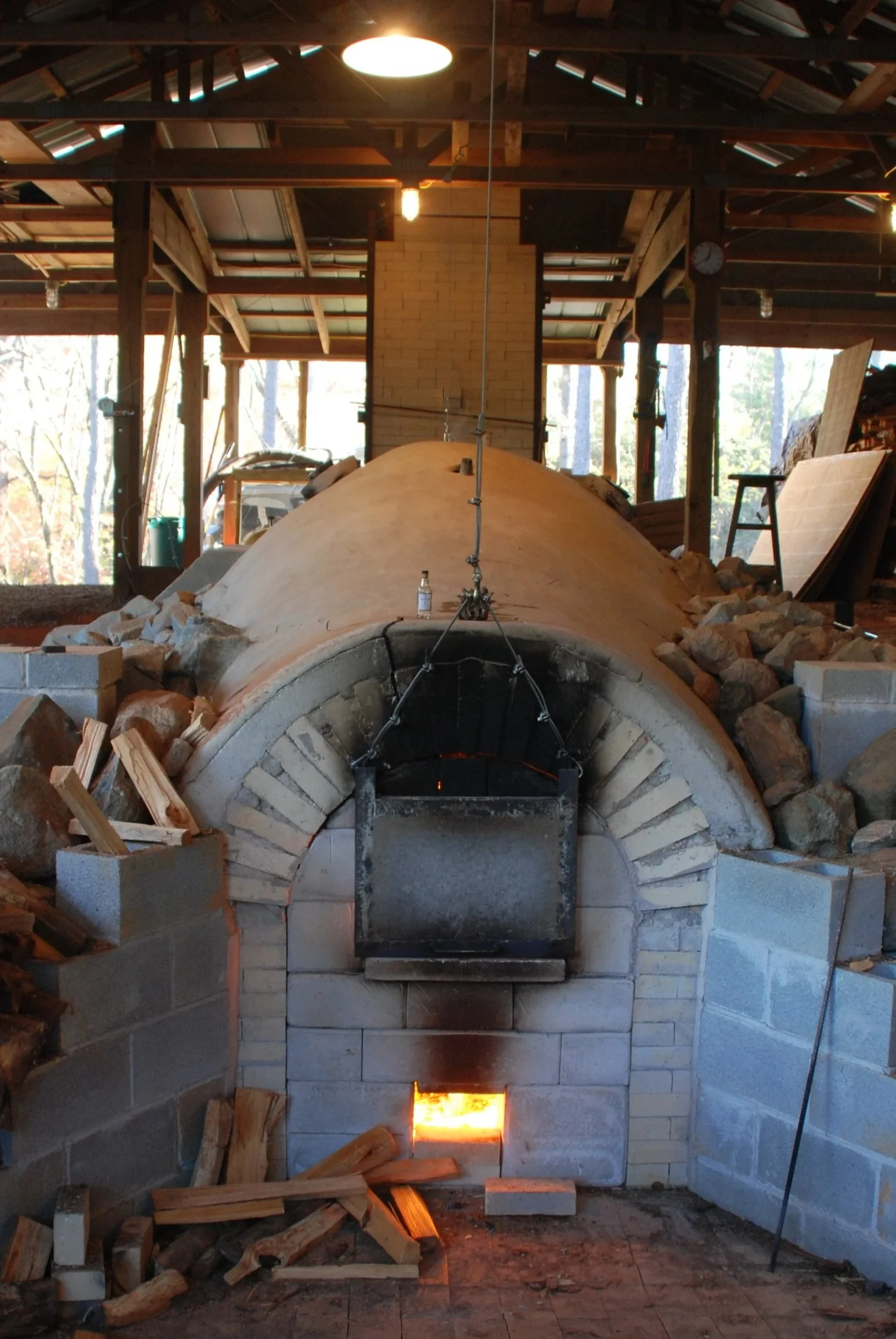
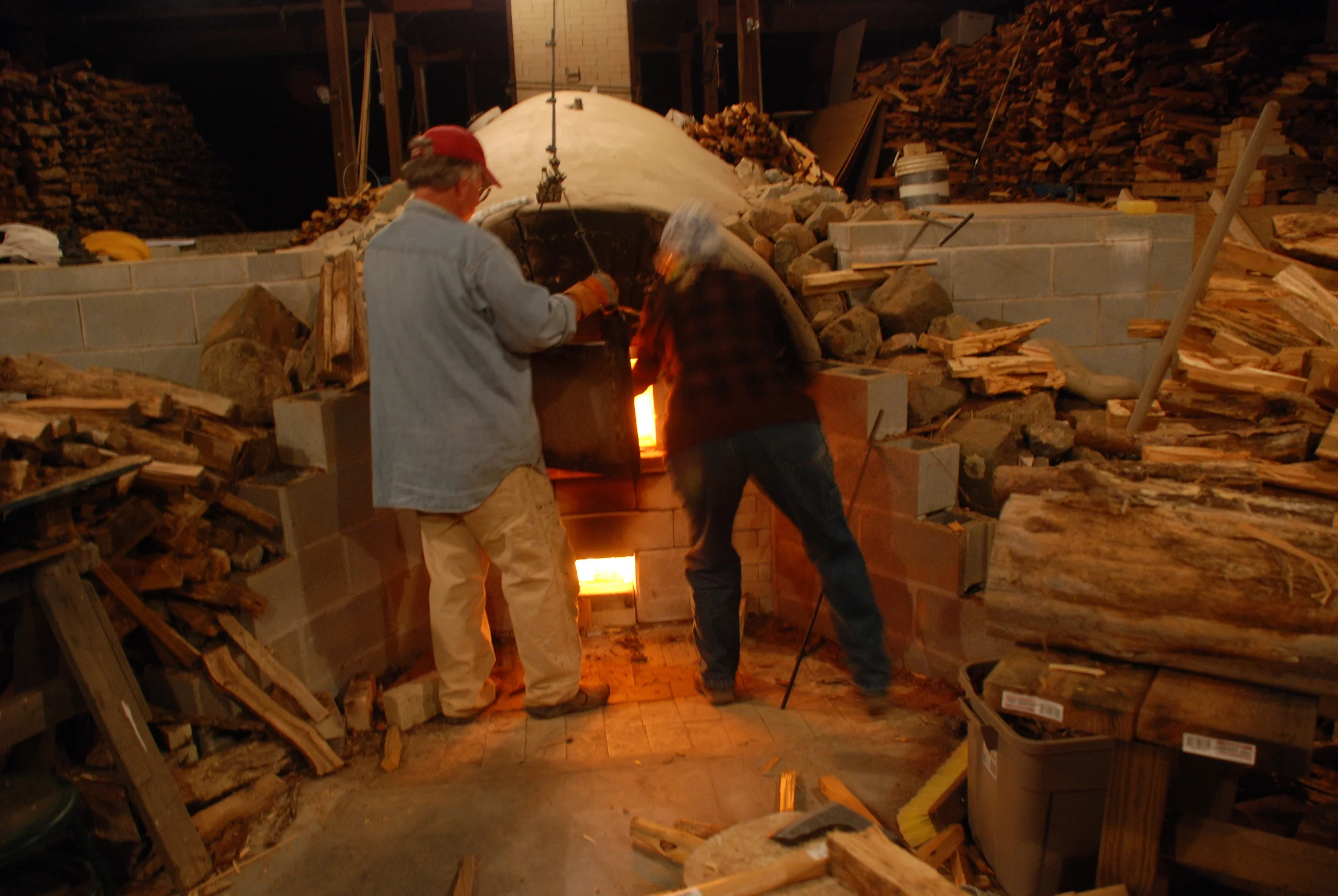
In form, an anagama is a single elongated chamber built on a slope, with a firebox at one end and a flue at the other. There is no wall separating the fire from the work. The flame, the ash, and the pottery all share the same space.

Integrity, creativity, and empathy shape the way we work.
Firing with wood
Unlike the electric or gas kilns used by most contemporary potters, the anagama burns only wood, and it demands constant attention. Stoking continues around the clock for the full length of the firing, which can run anywhere from two days to two weeks depending on the size of the kiln. The wood is consumed quickly in the intense heat, and the fire must never be allowed to drop. Temperatures can reach 1,400°C (2,500°F).
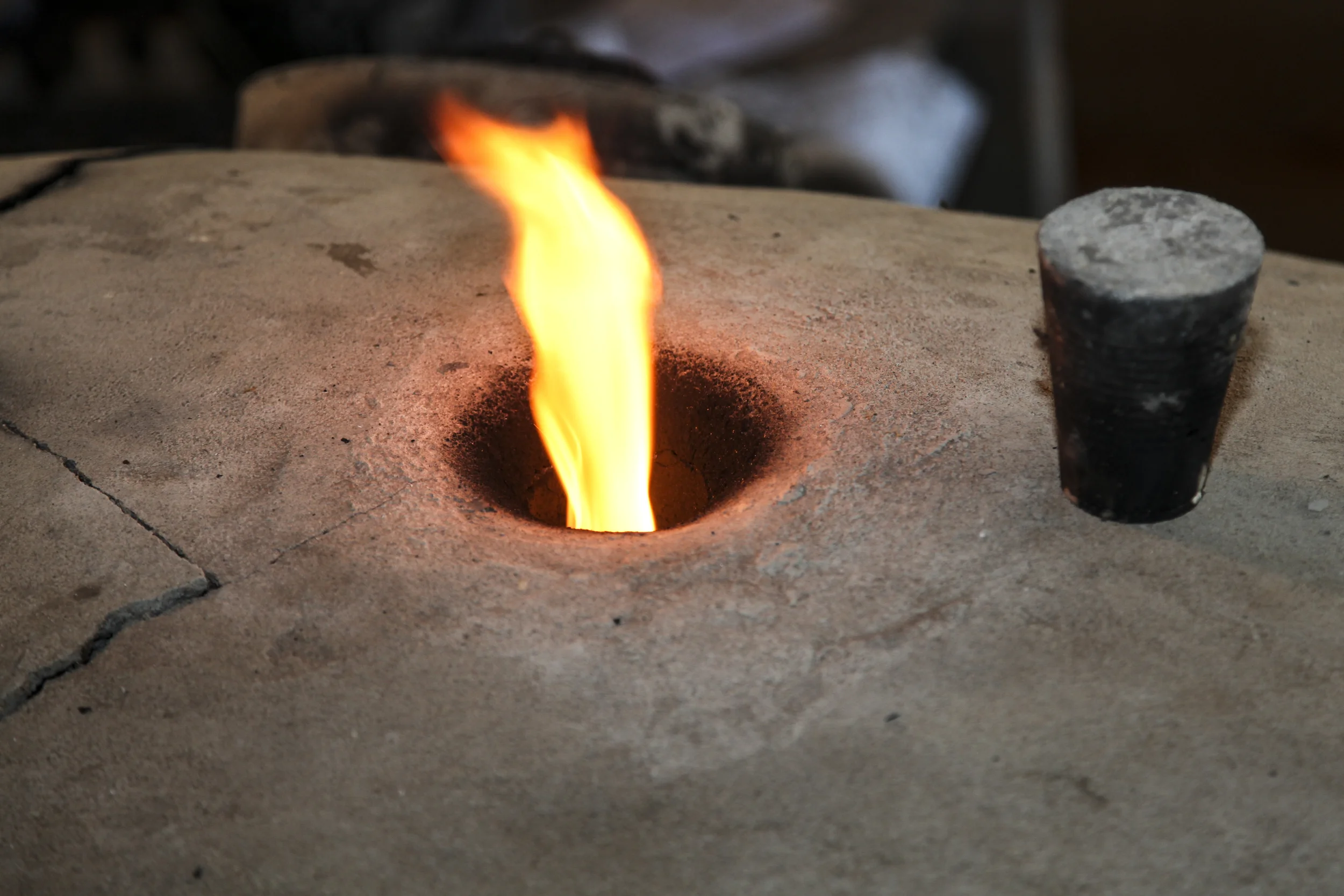
The firing is complete not when the clock says so, but when a range of conditions are right together: the color and behavior of the pots as seen through the spy holes, the temperatures reached and sustained, the buildup of ash, the wetness of the kiln walls.
Fire as glaze
The most distinctive quality of anagama work is what the fire itself does to the surface of the pots. Burning wood produces fly ash and volatile salts that travel through the kiln on the flame path, landing on and adhering to everything in their way. At high temperatures, this ash melts and interacts with the minerals in the clay body to form a natural glaze, one that was never applied by hand.
The results vary enormously. Ash glaze can be smooth and glassy, rough and encrusted, thin and delicate, or built up in thick drips. The color shifts from pale straw to deep amber, celadon green, or rich brown depending on the clay, the wood species, and the atmosphere inside the kiln.
The importance of placement
Where a piece sits in the kiln determines almost everything about its final character. Work close to the firebox may be buried in embers and receive a heavy coat of ash. Pieces further back are touched more gently. Temperature, the balance of oxidation and reduction, and the way one pot's placement redirects the flame around its neighbors all shape the outcome in ways that can be anticipated but never fully controlled.
For this reason, loading the kiln is considered the most demanding part of the entire process. The potter must hold the whole firing in mind, imagining the flame as it moves through the chamber, and use that understanding to, as the tradition puts it, paint the pots with fire.
XXXX
XXXX
XXXX
XXXX
HIKI-DASHI KURO
引き出し黒
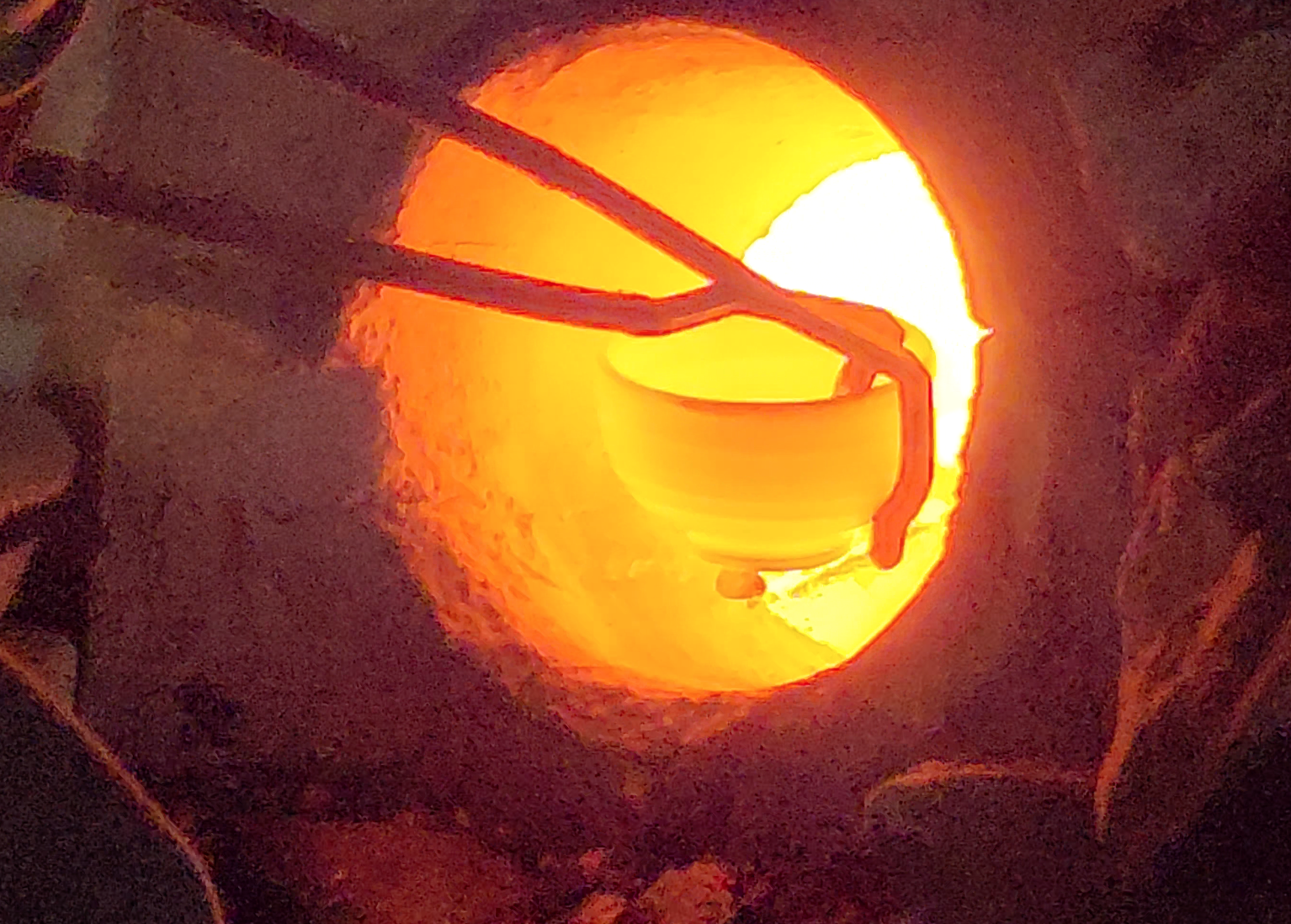
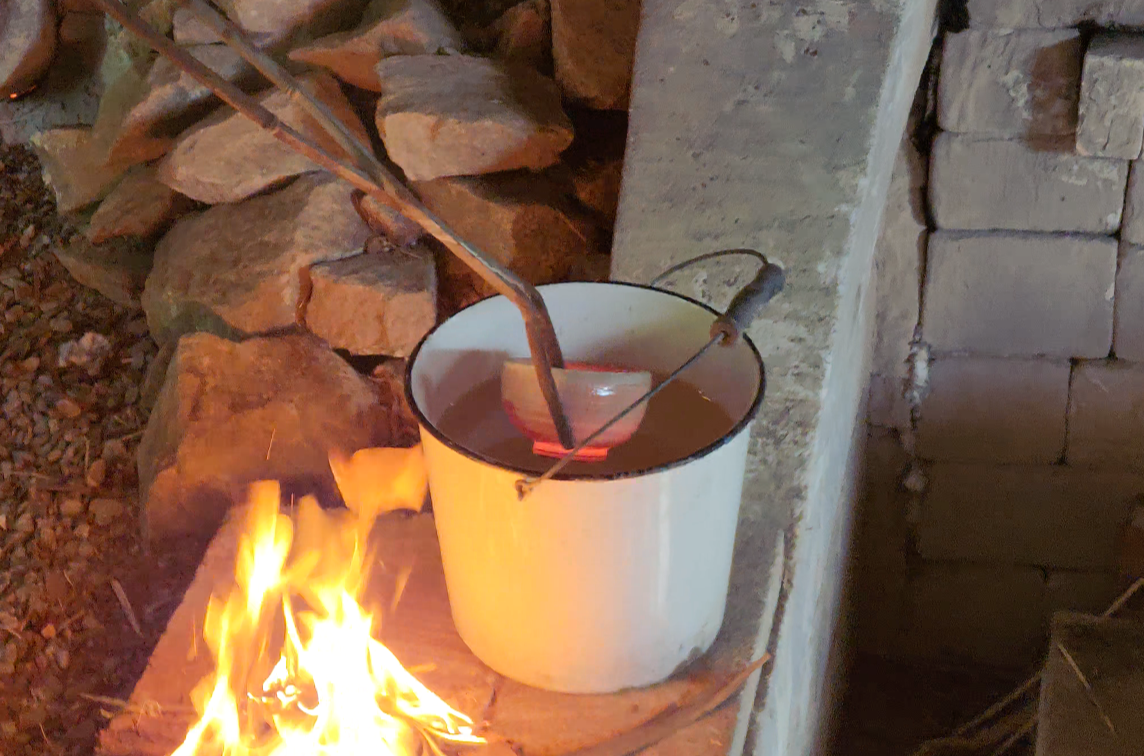
The ancient practice of pulling a pot from the kiln at peak heat and often plunging it into water, freezing the fire's work on the surface in a single irreversible moment.
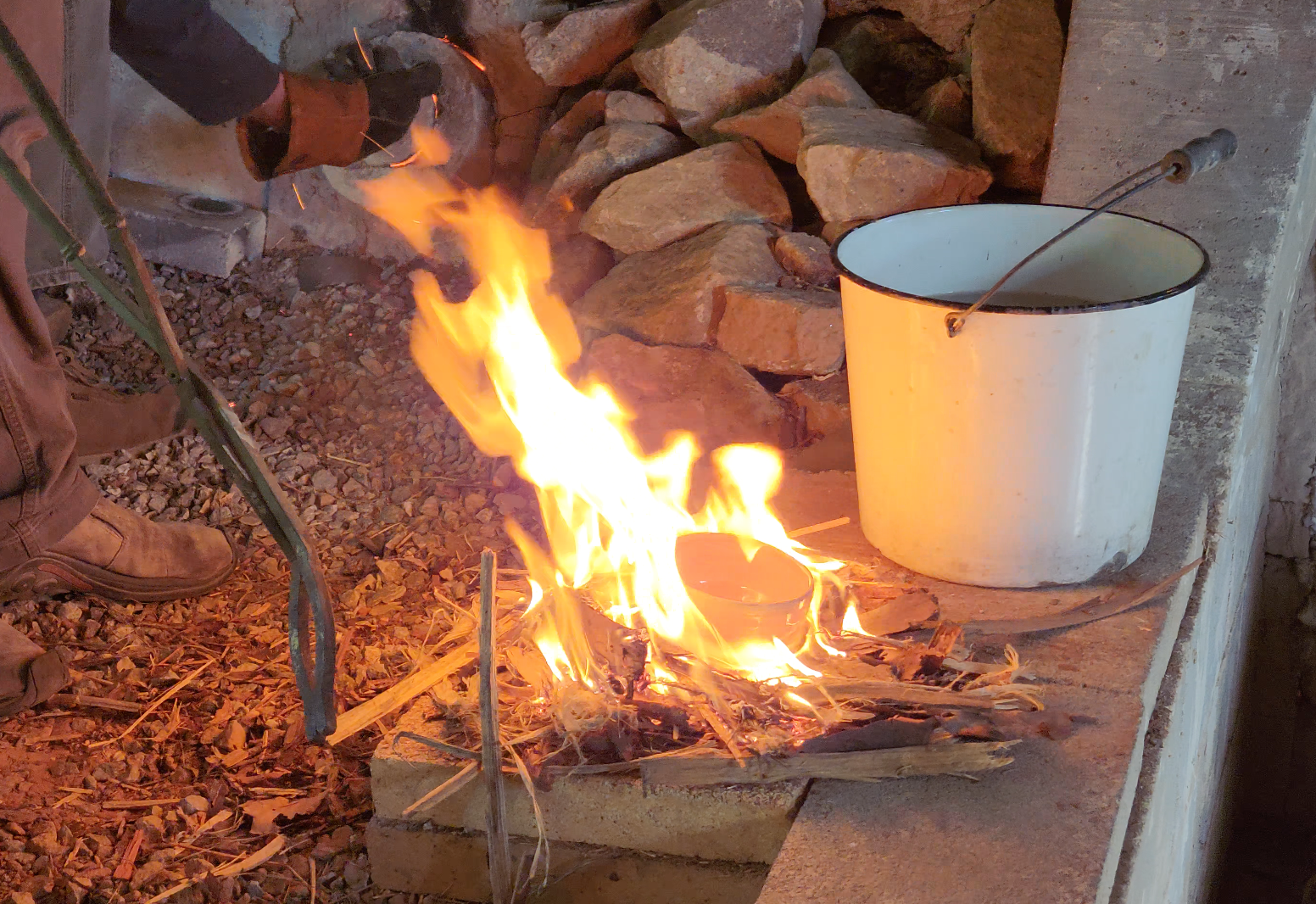
Hikidashi is a Japanese firing technique in which pieces are pulled from the kiln while still glowing red hot and immediately placed into containers packed with combustible materials, dry leaves, sawdust, paper, which ignite on contact and create an oxygen-starved environment around the work.
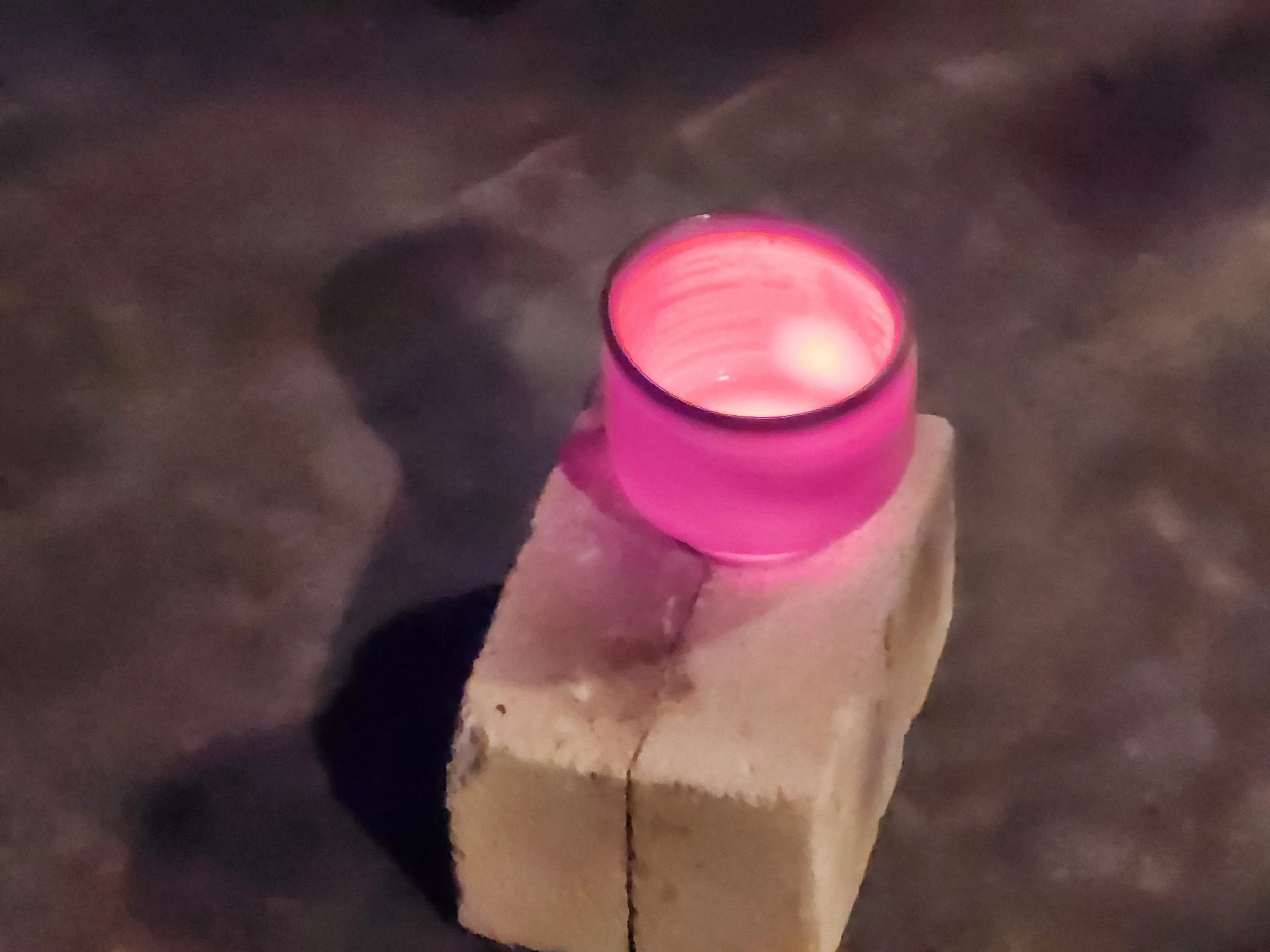
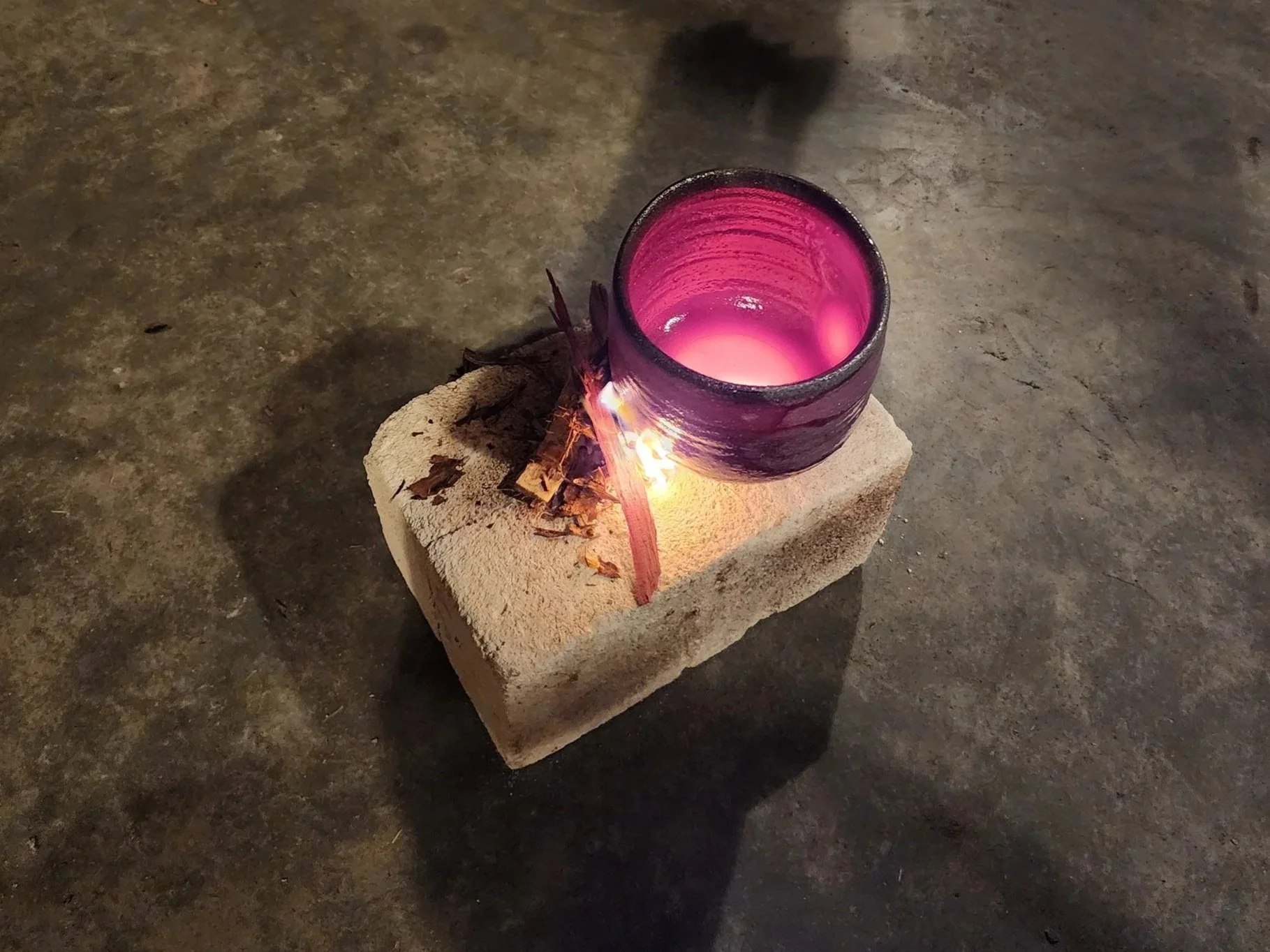
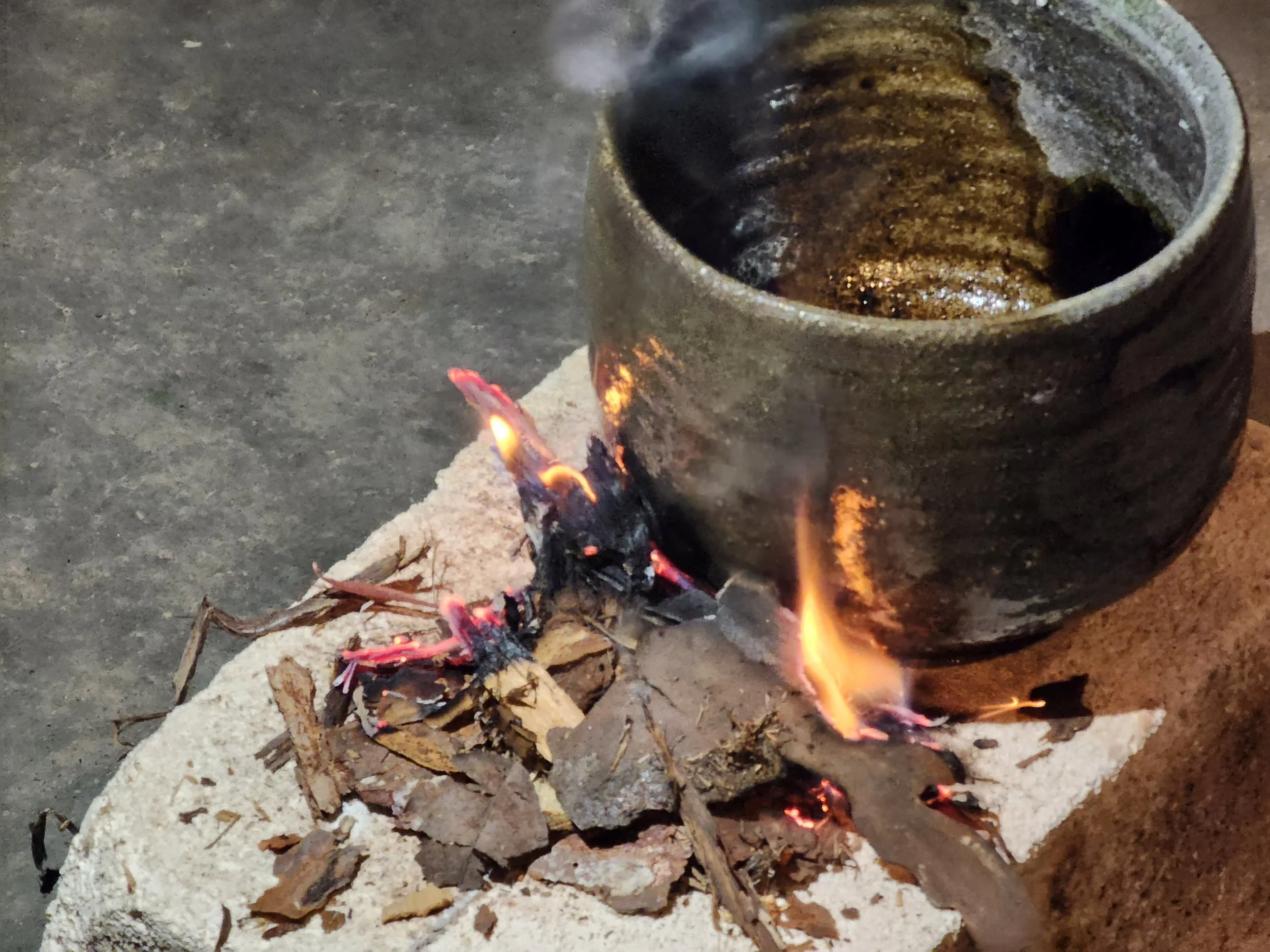
It is this reduction that produces hikidashi's characteristic surfaces: smoky, crackled, or with a metallic sheen that no applied glaze could replicate. The technique demands both speed and a confident hand, as the piece is at its most fragile in this state and does not forgive rough handling.
And despite that care, the outcome is never fully predictable. Temperature, glaze chemistry, and the behavior of the burning materials all play a role, making every pulled piece genuinely its own.
After the firing
Once stoking ends, the kiln is sealed and left to cool, a process that takes roughly as long as the firing itself. Only then can it be opened and the work seen for the first time. It is one of the few moments in making where the outcome is genuinely unknown until the door comes off.